Glenn Fisher

Keynotes for leaders responsible for profit, risk, and people

You are not buying a health plan. You are managing a financial asset.

Outside of payroll, the health plan is the largest uncontrolled expense in most budgets — and under ERISA, the employer is already its fiduciary. Glenn Fisher shows CEOs and CFOs how the system is designed to fail them, and the five-stage FRAMEwork that has helped employers cut healthcare costs 20–40% without reducing benefits.

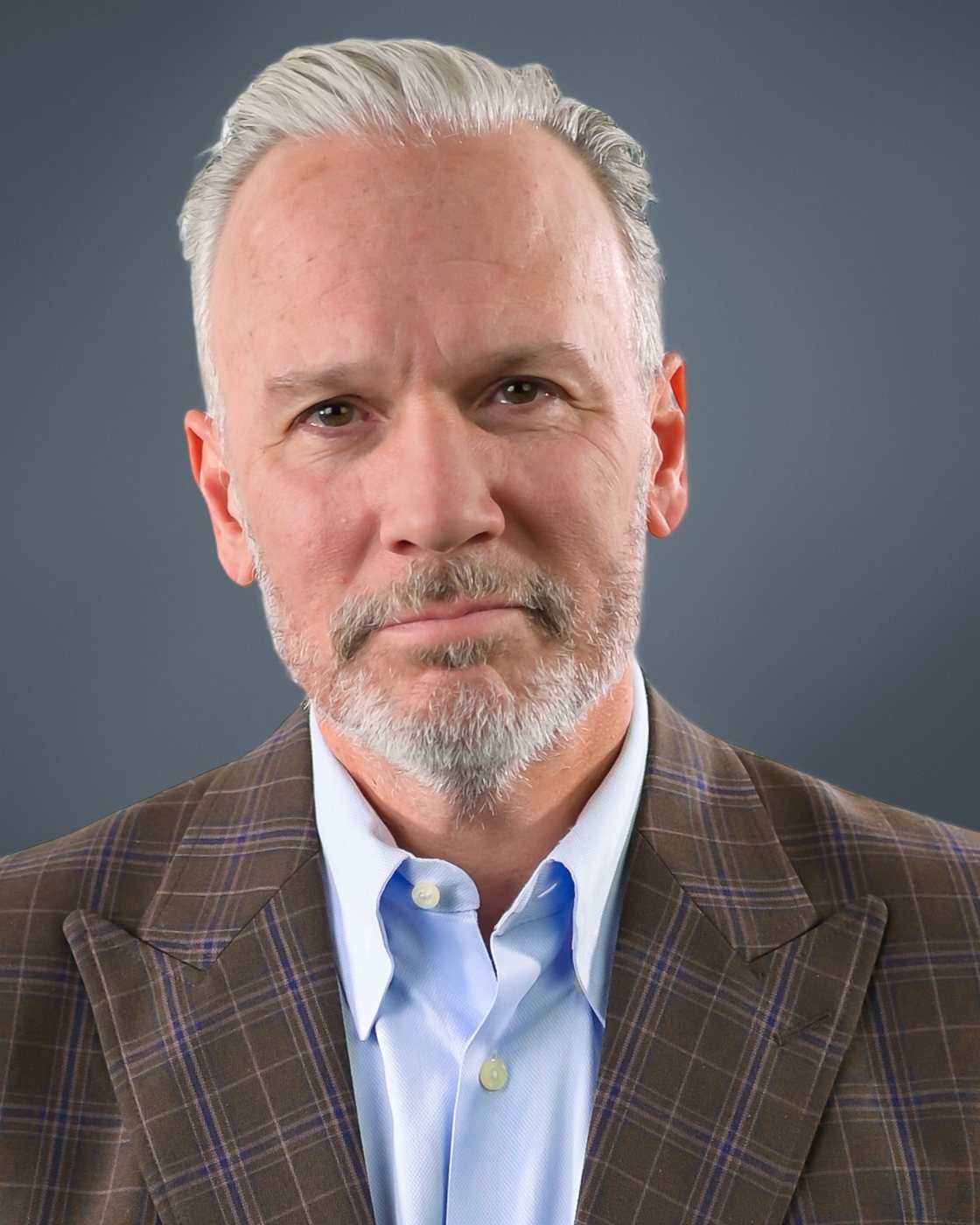
Glenn Fisher, studio portrait in a brown plaid sport coat
272%
Increase in the average family premium since 2000 — while wages rose 86% and inflation 73%.
20–40%
Cost reduction employers have achieved with the FRAMEwork — while improving benefits.
Without reducing coverage
94%
Of TPA and PBM contracts reviewed contained hidden fees. 72% of businesses lack access to their own claims data.

The problem

A system designed to fail employers.

Carriers, PBMs, hospital systems, and TPAs operate inside a web of hidden incentives built to maximize their profit at the expense of the employer and the employee. More than 80% of benefit advisors are paid on commission — on a $5 million plan, a 4% commission is $200,000 a year for costs to keep rising. Three PBMs control over 80% of the pharmacy market and overcharge employers an estimated $28 billion a year. Hospitals bill 250–500% of Medicare, then sell you a "discount."

The law has caught up. Since 2020 ERISA lawsuits against employers have skyrocketed, with settlements often exceeding $10 million — Johnson & Johnson, Quest Diagnostics, Duke. In December 2025 class actions named United Airlines, LabCorp, Community Health Systems and their consultants — Gallagher, Mercer, Lockton, Willis Towers Watson — as defendants. Employers are paying more, getting less, and facing increasing fiduciary risk.

"The question is no longer whether change is coming. It's whether you're ahead of it — or about to be pulled into it."
The FRAMEwork

Employers don't need more theory. They need a playbook.

The five-stage methodology from Fiduciary Ally — the same one behind the case studies in the book: a manufacturer that saved $12 million in three years, a school district that cut $7 million, a retailer that kept 97% of employees on a plan that saved $12 million.

F

Facilitate

Transparent benefit advisory services. Identify and work with a fiduciary-driven advisor who prioritizes your interests — and discloses every dollar.

R

Review

Plan documents and design. Understand the fine print to eliminate waste, ensure compliance, and optimize benefits.

A

Advance

Value-based care solutions. Shift from expensive fee-for-service to outcomes-driven care — direct primary care, centers of excellence, bundled payments.

M

Manage

Independent PBM strategies. Break free from traditional PBMs and adopt transparent, pass-through pharmacy pricing.

E

Eliminate

PPO network constraints. Move beyond the PPO to direct contracting, reference-based pricing, and high-performance networks.

Signature keynotes

Three talks. One conviction.

For CEOs & owners

Fiduciary Ally: Taking Control of Your Largest Cost Outside of Payroll

The flagship talk. Why the healthcare system is built to keep employers passive, what ERISA already requires of you, and the FRAMEwork that turns an uncontrollable expense into a strategic advantage.

45–60 min keynote · Q&A
For CFOs & plan administrators

HealthPlan 180: Where the Money Goes

A finance-first working session built on the CFO field manual. PMPM and PEPM, admin vs. claims allocation, spread pricing, rebate traps, and hidden TPA fees — with a fiduciary audit your team can run Monday morning.

60–90 min workshop · leaves with a completed checklist
For boards, peer groups & associations

The Fiduciary Reckoning: Why Transparency Is No Longer Optional

The lawsuits, the Supreme Court decisions, and the shockwave now moving from 401(k) plans to health plans. What "prudent" means, why fiduciary risk doesn't disappear but transfers, and how to get ahead of it.

30–45 min · C12, Vistage, YPO, EO

What your audience leaves with

Not inspiration. Instructions.

  1. The three fiduciary duties — loyalty, prudence, and the duty to monitor — in plain language, and what each one requires of a plan sponsor this year.
  2. The five questions to ask a potential advisor that expose commissions, retention bonuses, and conflicts in a single meeting.
  3. The Fiduciary Compliance Checklist from the book's appendix — six sections that would hold up in a deposition.
  4. Where 20–40% actually comes from: pass-through PBM (25–40% on pharmacy), reference-based pricing, direct primary care (20–30%), and plan audits (15–30%).
  5. The cost of inaction — financial and legal — stated in their own numbers. The time for passivity is over.
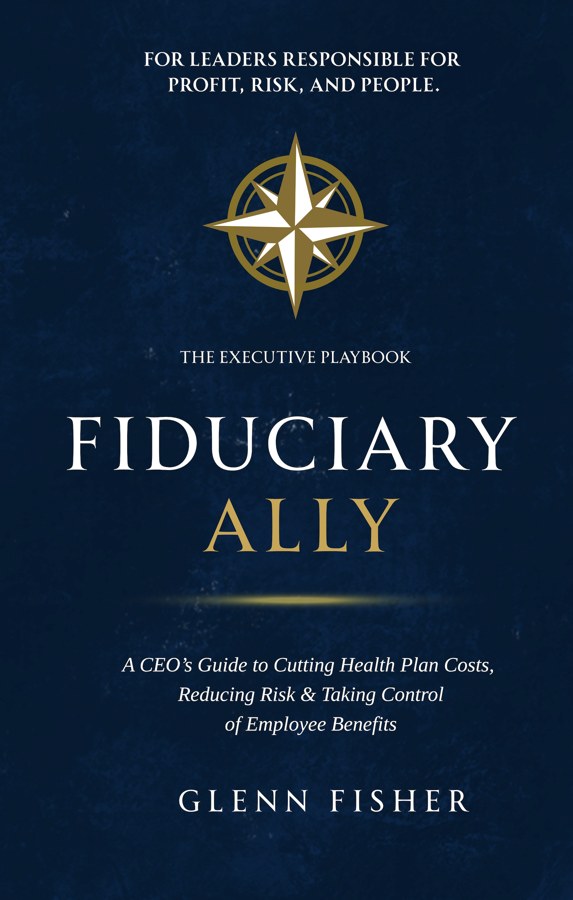
Fiduciary Ally book cover

About Glenn

Author of Fiduciary Ally

Glenn Fisher is the CEO of NavMD and Founder of Fidewell, where he helps employers transform healthcare from an uncontrollable expense into a strategic business advantage. A serial entrepreneur with nearly forty years of building companies, he wrote Fiduciary Ally: A CEO's Guide to Cutting Health Plan Costs, Reducing Risk & Taking Control of Employee Benefits — the executive playbook for leaders responsible for profit, risk, and people — and its CFO companion, HealthPlan 180: The Employer's Essentials Guide to Fixing Your Health Plan.

He speaks to leadership teams, CFO roundtables, boards, and peer groups nationally, and is based in Kansas City.

Bring this to your leadership team.

Keynotes, executive workshops, CFO roundtables, and peer-group sessions. Kansas City based; available nationally.

Book Glenn to speak

glenn@glennfisher.net